10 Days in Europe: 4 Best First-Timer Itineraries ,Planning Guide (2026)
Picking Europe travel locations for your first trip is exciting, until your wish list includes Paris, Rome, Amsterdam, and about 27 other places. Suddenly, planning a holiday feels like homework.
Here’s the good news: you don’t need to see everything. Pick two or three places that connect easily, leave room for wandering, and accept that a long lunch can be a perfectly good plan.
Want the quick version? Choose London , Paris , Amsterdam for famous sights, Prague , Vienna , Budapest for history and better value, or Rome, Florence, Venice for art and excellent food. Prefer cities with a beach break? Try Portugal. Porto–Lisbon–Algarve means less backtracking than starting in Lisbon, heading north, then going south again.
If you can, fly into your first city and home from your last. Your final day deserves better than retracing the whole trip.
Which Europe Travel Locations Fit Your Trip?
The best places to visit in Europe are the ones that match what you actually enjoy. You don’t have to love museums just because you’ve crossed an ocean.
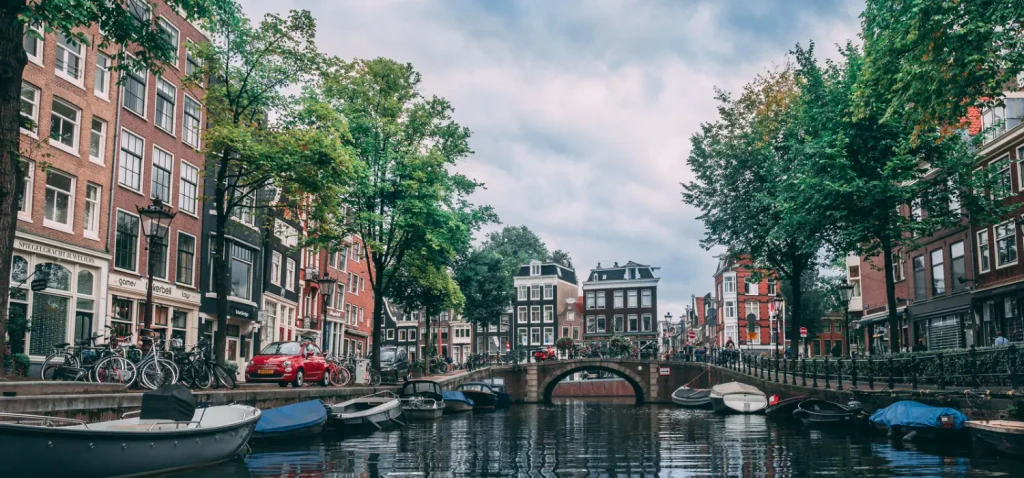
London–Paris–Amsterdam: Pick this route for famous landmarks, big museums, and canal views. Eurostar connects the cities, and a daily budget of around €180–€260 per person is a useful starting point.
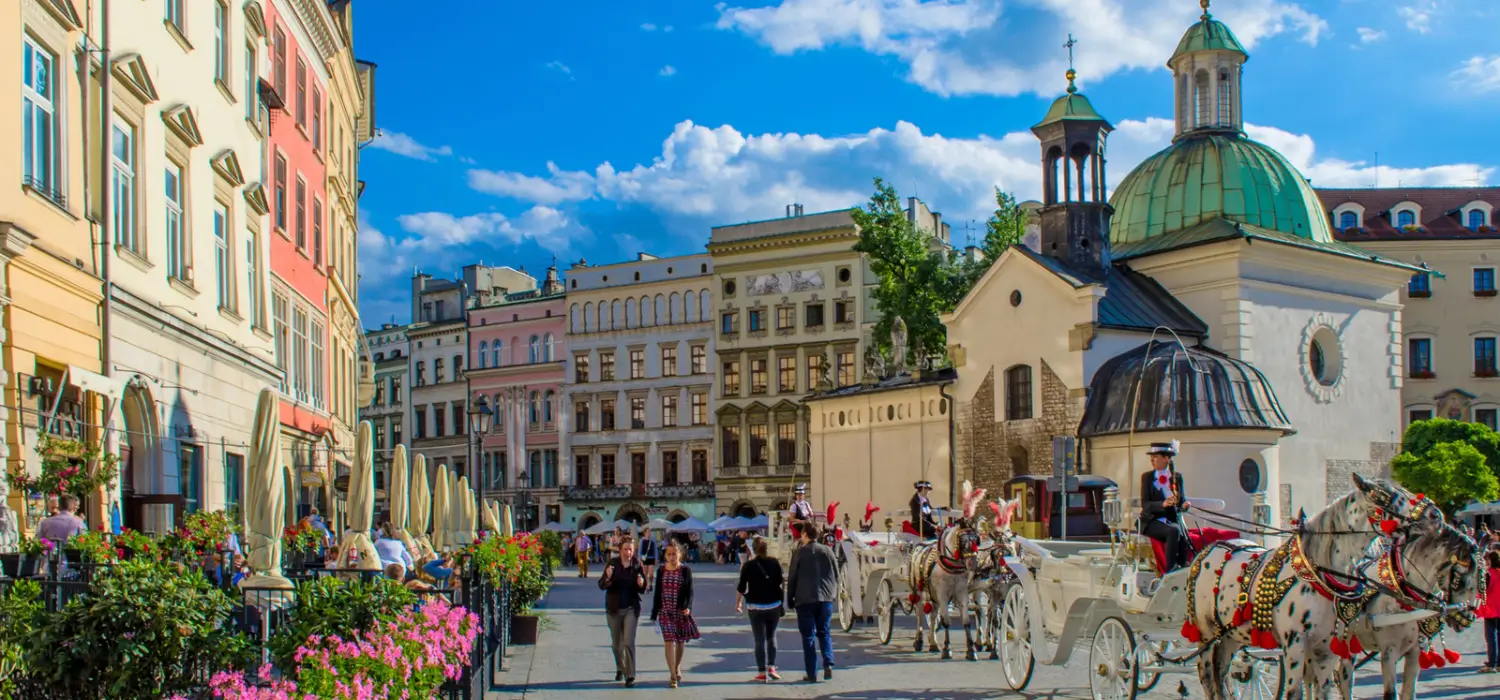
Prague–Vienna–Budapest: Think grand buildings, café stops, and a well-earned soak in a thermal bath. Direct trains connect the cities. Allow roughly €100–€150 per person per day, with some extra breathing room for Vienna.
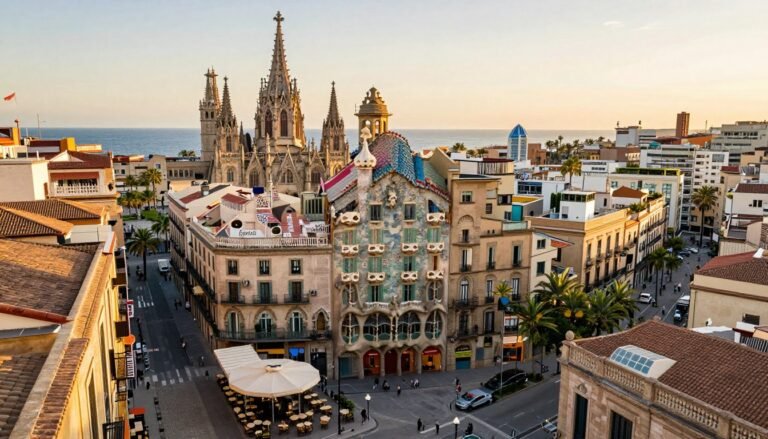
Rome–Florence–Venice: Ancient ruins, incredible art, and meals you’ll keep talking about afterward. High-speed trains make getting around straightforward. Plan for about €150–€220 per person per day.
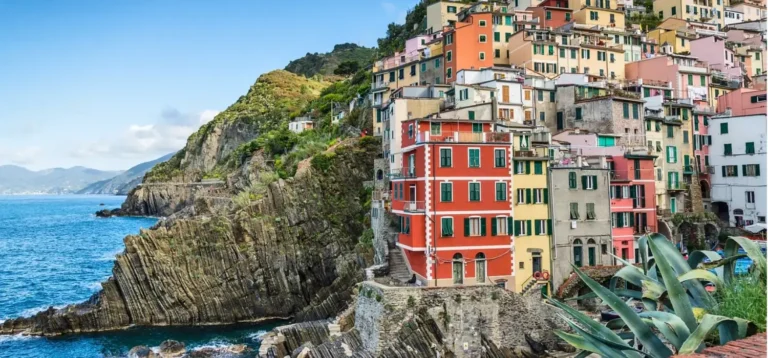
Lisbon–Porto–Algarve: This one mixes colorful neighborhoods, waterfront walks, and coastal downtime. Use trains between cities and consider a car for exploring the coast. Allow around €90–€140 per person per day.
These estimates assume two adults share a modest private room. They cover accommodation, food, local transport, and some sightseeing. Flights, intercity tickets, insurance, and car hire are extra. Traveling solo or during peak season? Expect accommodation to take a bigger bite.
A Few Things to Sort Out Before You Go
Pick Your Season With Your Plans in Mind
March–May and September–October can be good alternatives to midsummer for many Europe travel locations. Just don’t assume “spring in Europe” means beach weather everywhere.
Amsterdam in March may still call for a warm jacket. Southern Portugal in spring can be lovely for exploring, but swimming weather isn’t guaranteed. Easter, festivals, and school holidays can also send hotel prices climbing.
May and September are good starting points. Check room prices before falling in love with a particular week.
Choose Trains, Cars, and Travel Extras Carefully

For train journeys of around four hours or less, compare the whole trip with flying—including airport transfers and boarding time. Arriving near the city center can make life much easier.
London Eurostar departures still involve security and border checks, so follow the operator’s arrival instructions. “It’s a train” isn’t a good reason to show up at the last minute.
A rental car can be handy for countryside trips or scattered Algarve beaches. In historic city centers, parking and driving restrictions can quickly spoil the fun.
For mobile data, compare your roaming plan with regional eSIMs such as Holafly. Check device compatibility, hotspot limits, and whether the UK is included. For payments, compare your bank with options like Revolut, paying attention to eligibility, exchange conditions, and ATM limits.
For 2026 travel, eligible non-EU short-stay visitors encounter the Schengen Entry/Exit System, fully deployed from April 10. Check the official EU portal for ETIAS status and requirements for your nationality. London needs a separate UK entry check—a Schengen visa doesn’t cover it.
Four Ways to Spend 10 Days in Europe
These plans cover ten calendar days, including transfers and departure, so most trips need nine nights. Keep arrival day gentle. Jet lag rarely cares about your sightseeing ambitions.
Route 1: London–Paris–Amsterdam

Days 1–3: London. Explore Westminster, grab something good at Borough Market, and spend an evening at a West End show. Leave an afternoon open for a museum or a neighborhood wander.
Days 4–7: Paris. Travel on Day 4, then spread the Louvre, Eiffel Tower, and Seine cruise across your stay. Leave time to sit at a café without immediately checking what’s next.
Days 8–10: Amsterdam. Transfer on Day 8, explore the Jordaan, and enjoy a canal cruise. If the Anne Frank House is a priority, check ticket availability through its official website.
Eurostar lists fastest journeys of 2 hours 16 minutes from London to Paris and 3 hours 20 minutes from Paris to Amsterdam. Add time for station procedures and getting to your hotel.
These Europe travel locations deliver plenty of familiar sights. Just keep an eye on hotel prices—they can do serious damage to the souvenir budget.
Route 2: Prague–Vienna–Budapest

Days 1–3: Prague. Walk Charles Bridge early, explore Old Town Square, and head to Letná for the views.
Days 4–6: Vienna. Travel on Day 4, then mix Schönbrunn Palace with café stops and a museum that interests you. Cake breaks fit nicely between sightseeing sessions.
Days 7–10: Budapest. Transfer on Day 7. Pick a thermal bath after checking what’s open, wander along the river, and consider an evening Danube cruise.
Allow around four to four-and-a-half hours from Prague to Vienna and two-and-a-half to three hours from Vienna to Budapest, depending on the service.
If you love architecture, these Europe travel locations give you plenty to admire. Vienna can cost more than its neighbors, so don’t expect identical prices throughout.
Route 3: Rome–Florence–Venice
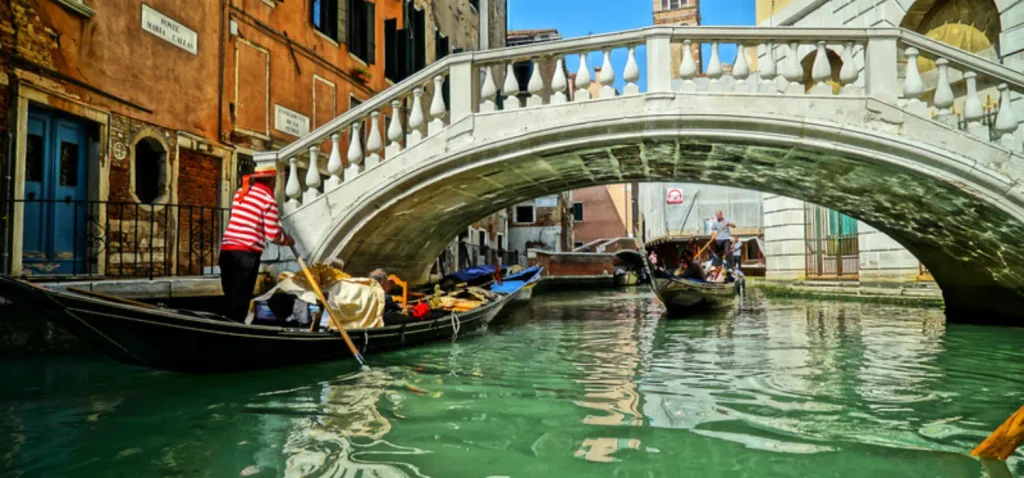
Days 1–4: Rome. Visit the Colosseum and Forum together, then save another day for the Pantheon area and Trastevere. Give yourself time between the big sights—you’ll appreciate it.
Days 5–7: Florence. Travel on Day 5 and focus on the Uffizi and Duomo complex. Fancy a Tuscany excursion? Go for it, but swap something out if your days are already full.
Days 8–10: Venice. Transfer on Day 8, wander Cannaregio, and visit St. Mark’s. Add Burano if your departure schedule leaves enough time.
Frecciarossa takes about 90 minutes from Rome to Florence. Trenitalia lists Florence–Venice journeys from roughly 2 hours 13 minutes.
For art, history, and food, this is an appealing combination of Europe travel locations—all within one country.
Route 4: Lisbon–Porto–Algarve
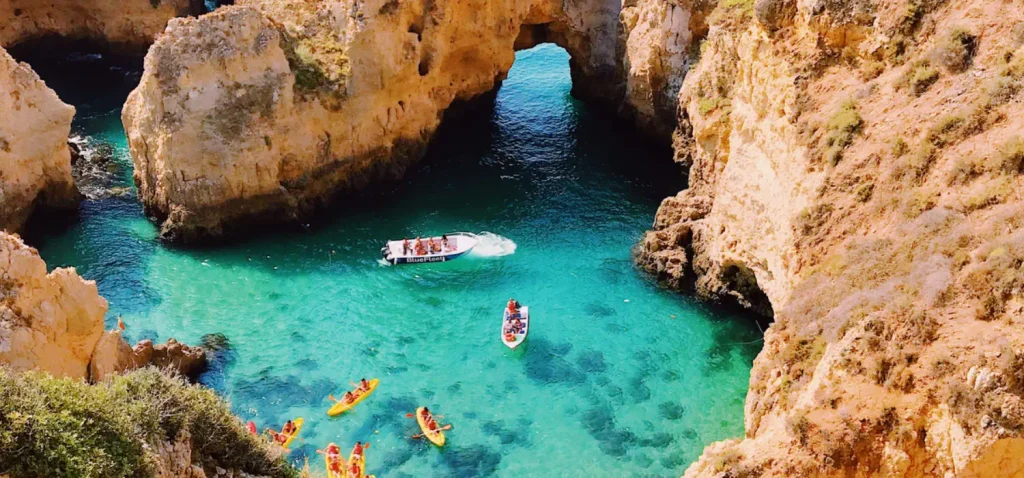
Days 1–3: Lisbon. Wander Alfama and decide how much you want to fit in. A tram ride and a Sintra day trip both sound great, but arrival day might have other ideas.
Days 4–6: Porto. Head north, explore the Ribeira waterfront, and choose a cellar tasting or a Douro Valley excursion.
Days 7–10: Algarve. Give most of Day 7 to the journey south. Choose one coastal base, then enjoy beaches, cliff walks, and seafood. Boat trips depend on sea conditions and current access rules.
For a smoother route, switch the first two stops to Porto–Lisbon–Algarve. CP’s Alfa Pendular serves this corridor; check your dates and connections before booking.
This trip balances city exploring with time by the sea. The main trick is respecting that long transfer south.
Where to Stay and When to Visit the Big Sights
Your neighborhood matters almost as much as your city. A lovely room loses some charm when getting anywhere takes forever.
In Amsterdam, look at Jordaan or De Pijp. Compare tram access, noise, and prices, and don’t assume every De Pijp hotel comes with a canal view.
In Prague, consider Vinohrady, checking the walk to the nearest metro or tram stop.
In Venice, Cannaregio is worth a look. Check bridges and vaporetto stops before booking, especially if you’re bringing a suitcase that could double as furniture.
If Berlin makes a future itinerary, explore Prenzlauer Berg or Friedrichshain. Read reviews for the exact street, particularly if you’re a light sleeper.
No neighborhood guarantees peace or a bargain. Recent property reviews are more useful than broad labels.
For a quieter walk through St. Mark’s Square, arrive before 9 a.m. The basilica has separate hours: ordinary tourist entry generally starts at 9:30 a.m., with different Sunday arrangements.
Book a timed Louvre ticket, but don’t expect early entry to guarantee a peaceful moment with the Mona Lisa. For Rhine cruises, the better viewing side depends on your direction and the stretch of river.
Common First-Trip Mistakes to Avoid
- Adding too many stops. Three bases already mean two moving days. More Europe travel locations also mean more packing and checking in.
- Picking restaurants only because they’re beside a landmark. Check menus and recent reviews, and explore nearby side streets.
- Packing too much. Bring luggage you can carry up stairs and over uneven pavements without regretting every outfit.
- Assuming a ticket means no waiting. Timed entry can still involve security queues. Book important attractions through official sellers once your dates are fixed.
What to Budget for Your Train Trips
Use these as rough one-way planning figures, rather than live fares. Bargains may fall below them; busy departures can cost more.
- London–Paris: From 2 hours 16 minutes by Eurostar. Allow €50–€180+ and compare early once your dates are set.
- Paris–Amsterdam: From 3 hours 20 minutes by Eurostar. Allow €35–€130+ and check advance departures.
- Rome–Florence: Around 90 minutes by Frecciarossa. Allow €20–€60+, comparing flexible and restricted fares.
- Prague–Vienna: Around four to four-and-a-half hours by direct train. Allow €20–€50+ and check seat-reservation terms.
- Lisbon–Porto: Around three hours by Alfa Pendular. Allow €20–€45+ and check CP’s booking window.
CP sells tickets up to 60 days ahead, with limited promotional seats on eligible advance purchases.
A Few Questions You Might Still Have
Is 10 Days Really Enough for Europe?
Yes, if you stick to two or three connected Europe travel locations. Leave room for arrival fatigue and departure logistics. Fewer bases can work better with children or mobility needs.
How Much Money Should I Set Aside?
Using the daily estimates above, allow roughly €900–€2,600 per person for ten days, plus flights and the other excluded costs. Start by pricing accommodation—it’ll quickly show you whether your plan fits your budget.
Should I Get a Eurail Pass?
Add up individual tickets, then compare that total with the pass plus reservations. For just two advance-booked journeys, separate tickets may work out cheaper. Eurostar requires passholder reservations, and availability is limited. Visiting three countries doesn’t automatically make a pass good value.
What’s the Best Month to Go?
May and September are useful starting points for many of the best European destinations. Choose around what you want to do, though. Museum days, beach afternoons, festivals, and mountain trips don’t all need the same weather.