Italy Travel Itinerary: A Relaxed 10-Day Route and Planning Tips
Planning your first trip to Italy? Start with Rome, Florence, Verona, and Venice. This 10-day Italy travel itinerary connects four lovely cities by train, with time for famous sights, good food, and the occasional wrong turn that becomes your favorite part of the day.
You won’t see all of Italy in 10 days, and that’s fine. The goal is to enjoy the places you visit, not arrive home needing a holiday from your holiday.
If flights work out, arrive in Rome and fly home from Venice. You’ll travel north without having to double back. Then use this route as a starting point and adjust it around your interests, flight times, and energy levels. Nobody’s checking whether you visited every museum.
Table of Contents
A Few Things to Keep in Mind
- Stick to three or four places to stay.
- Take trains between the main cities.
- Give Rome and Florence a few days each.
- Keep your arrival and departure days light.
- Add Verona only if you don’t mind another hotel change.
- Leave room for long lunches, wandering, and doing absolutely nothing for a little while.
Is 10 Days Enough for Italy?
Yes, 10 days is enough for a wonderful first visit. It’s just not enough for every place you’ve saved on your phone.
Italy changes as you move between regions. The food, scenery, and feel of each city can be surprisingly different, which makes it tempting to keep adding stops. Rome! Venice! Tuscany! The coast! Suddenly, you’ve planned a month-long trip inside a week and a half.
For this visit, choose a few places you really want to experience. Give yourself time for the big sights, but also for a quiet morning or a meal that runs longer than expected.
A new destination costs more than the train fare. There’s packing, getting to the station, finding your hotel, and figuring out where you’ve put the charger this time. Even a short journey can take a decent chunk out of your day.
Before adding another stop, ask yourself whether you’d enjoy it more than an extra day somewhere you’re already staying. Sometimes the best addition to an itinerary is a little empty space.
Your 10-Day Italy Travel Itinerary at a Glance
This 10-day Italy travel itinerary takes you from Rome to Florence, then Verona, and finally Venice. It keeps the journey fairly straightforward without bouncing back and forth across the country.
- Days 1–3: Rome. Ancient landmarks, Vatican City, and walks through the historic center.
- Days 4–6: Florence. Renaissance art, beautiful streets, local food, and an optional day trip.
- Day 7: Verona. A short stop for the Roman Arena, riverside views, and the historic center.
- Days 8–10: Venice. Canals, St. Mark’s, and time to explore beyond the busiest streets.
Those dates include travel days. Day 4 won’t be a full sightseeing day in Florence, and day 10 might be mostly about getting to the airport. Build your expectations around your actual flight and train times.
With departure on day 10, this usually means nine nights: three in Rome, three in Florence, one in Verona, and two in Venice.
If four hotels sounds like one too many, skip Verona and give that extra night to Florence or Venice. The trip still works beautifully.
When Is the Best Time to Visit Italy?
For a city-focused trip, April–May and September–October are good starting points. Walking around is often more comfortable than in midsummer, although popular attractions can still be busy. Shoulder season isn’t a secret anymore.
Spring works well for sightseeing and spending plenty of time outdoors. Pack for changeable weather rather than assuming every day will be sunny.
Early fall is another appealing option, especially if you’re considering some coastal time. Swimming conditions depend on the place and the weather, so treat warm-water days as a possibility rather than a promise.
July and August can mean hot afternoons and busy sights. You can still have a great trip, but early starts, shade, and a slower afternoon become very good friends.
Winter can suit a city break if you don’t mind cooler weather and some rain. Coastal areas may have fewer open businesses or reduced transport services, so check before building your trip around them.
Venice can also experience high-water conditions, which may affect plans. Whatever season you choose, leave a little flexibility and check conditions closer to your visit.
How Should You Travel Between Italian Cities?
For this Italy travel itinerary, I’d keep things simple and take the train. Rome, Florence, Verona, and Venice are connected by rail, and a rental car mostly adds parking and city-driving questions you don’t need.

The fast train from Rome to Florence takes roughly an hour and a half. Journey times for Florence–Verona and Verona–Venice depend on the service you choose, so check the actual departure rather than planning around a single estimate.
Regional trains are handy for shorter outings, but they may be slower than high-speed services. When comparing tickets, look at the stations, changes, and total journey time—not just the price.
Before boarding:
- Check the exact departure station on your ticket.
- Find your train number on the departure board.
- Confirm the platform, including any last-minute changes.
- Follow the validation instructions for your ticket type.
Paper regional tickets may need validation before you board. Digital tickets follow their own rules, so read the operator’s instructions instead of assuming every ticket works the same way.
And give yourself a little station time. A 90-minute train journey doesn’t mean you’ll be standing in your next hotel exactly 90 minutes after leaving the first one.
Which Airports Should You Use?
Flying into Rome and home from Venice fits this route nicely. You’ll sometimes see this called an open-jaw flight, which is simply a booking that arrives in one city and leaves from another. Slightly odd name, useful idea.
The main airport codes to know are:
- FCO: Rome Fiumicino, Rome’s main international airport.
- CIA: Rome Ciampino, used by some European budget airlines.
- VCE: Venice Marco Polo.
From Fiumicino, the Leonardo Express connects directly with Roma Termini in around 32 minutes. Whether that’s the best option for you depends on where you’re staying and how much luggage you’re carrying.
A return flight from Rome might be cheaper, but remember to add the cost and time of getting back from Venice. A bargain looks less exciting when it comes with an extra transfer and a very early alarm.
Compare the whole journey, including airport transport and connections. Your arrival and departure times also decide how much sightseeing you’ll realistically fit into the first and last days.
Days 1–3: Rome Without the Rush
Rome deserves a few days. There’s a lot to take in, and trying to squeeze it all into one enormous sightseeing marathon is a reliable way to stop appreciating ancient buildings.
Give the Colosseum and Vatican their own days. Both are substantial visits, and you’ll enjoy them more without sprinting from one to the other.
Day 1: Ease Into the Historic Center
After dropping off your bags, take a gentle walk through the historic center. Depending on where you’re staying, you could visit the Pantheon area, Piazza Navona, Trevi Fountain, and Spanish Steps.
You don’t need to turn every stop into a timed appointment. Enjoy the squares, take a few photos, and stop when somewhere looks inviting.
If you’re tired, shorten the walk. Sitting in a piazza with something to eat still counts as being in Rome. Jet lag doesn’t care how carefully you planned your afternoon.
Day 2: The Colosseum and Ancient Rome
Make this your day for the Colosseum, Roman Forum, and Palatine Hill. Visiting them together helps you picture how this part of ancient Rome fitted together.
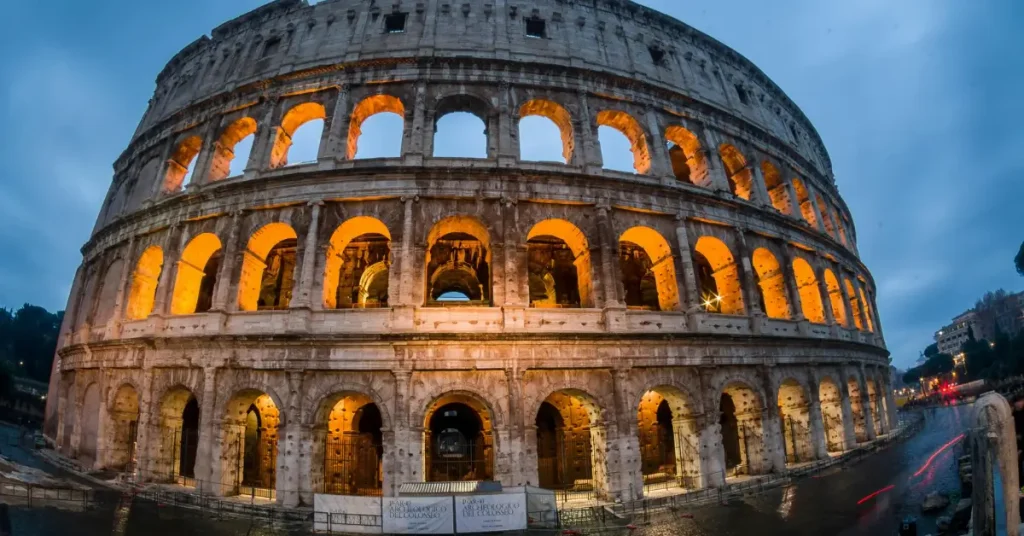
A good guide can be useful here. The Forum is fascinating, but a little context makes it easier to understand what you’re looking at beyond an impressive collection of ruins.
If you’d rather explore independently, take your time with the signs and use a reliable guide or audio resource. Leave space for breaks instead of treating the whole area as a walk-through attraction.
Day 3: Vatican City and St. Peter’s
Set aside plenty of time for the Vatican Museums and Sistine Chapel. Then plan around the access arrangements for St. Peter’s Basilica and St. Peter’s Square.
These aren’t all one quick stop. Security, walking, and the museums themselves can take a significant part of the day, so resist the urge to add another long list afterward.
Book around the experience you most want, check the entry instructions, and leave the evening fairly easy. Dinner is a perfectly respectable final activity.
Days 4–6: Florence, Art, and Very Good Reasons to Stop for Lunch
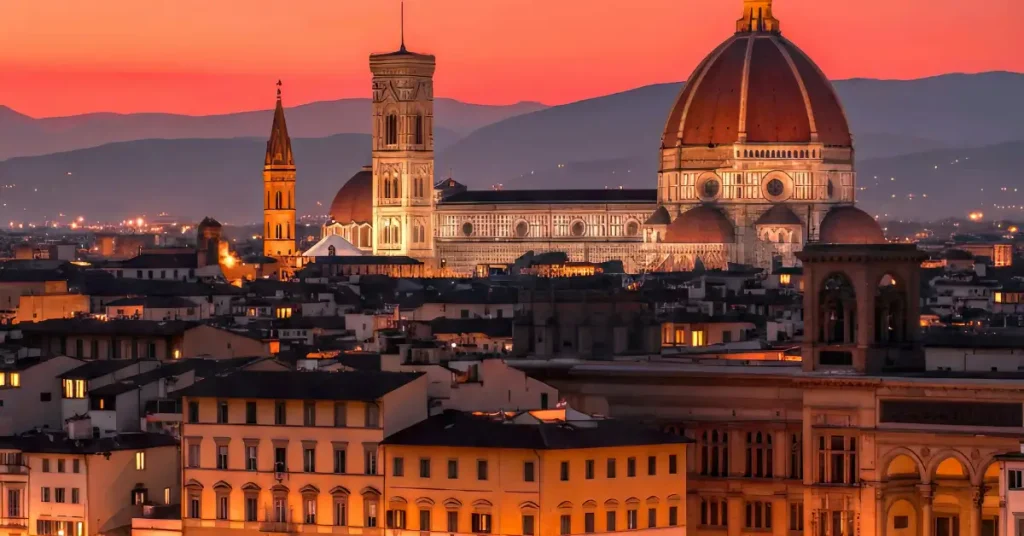
Florence is a lovely place to slow down a little. The historic center is walkable, there’s plenty to see between the major attractions, and you don’t need to spend every day inside a gallery to enjoy it.
If you love art, choose the museums you care about most. If you don’t, build your days around architecture, markets, food, and wandering. Both approaches are valid.
Day 4: Arrive and Get Your Bearings
Take the train from Rome, drop off your bags, and start with a walk around the Duomo. Continue toward Ponte Vecchio if you feel like exploring a bit more.
The Duomo complex includes several sights, so choose what interests you instead of assuming you need to do everything that afternoon.
Mercato Centrale is another possible stop, especially when your attention starts drifting from architecture to lunch. Keep the day flexible: travelling and checking in take energy, even when the train ride is straightforward.
Days 5–6: Choose Your Florence
Art lovers can spread the Uffizi and Accademia over separate days. You’ll have more patience for each collection, and less chance of reaching the point where every painting starts to blur together.
You can also use these days for the Duomo complex, neighborhood walks, and relaxed meals. Book timed entry for any attraction that’s a must-see, then let the rest of the day fit around it.
For a change of scene, consider a day trip to Bologna or a countryside outing in Tuscany. Bologna suits a city-and-food day, while a Tuscan excursion may appeal more if you’re after scenery or wine experiences.
You don’t have to leave Florence at all, though. Staying put can be the nicest option when you’re enjoying yourself.
Day 7: Is Verona Worth the Extra Stop?
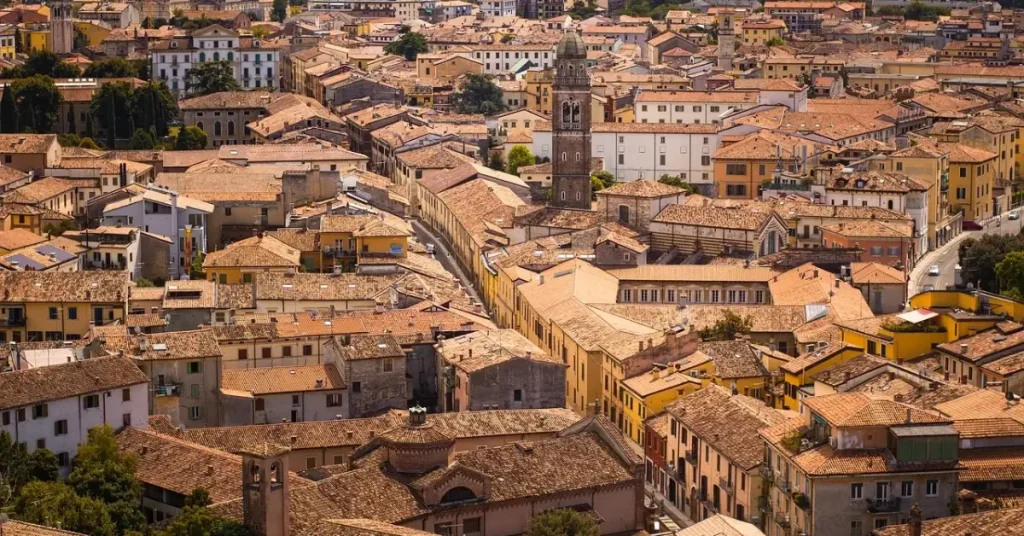
Verona makes a pleasant one-night stop between Florence and Venice. Its historic center is manageable, with the Roman Arena, Castelvecchio, and Piazza delle Erbe giving you plenty to build a day around.
Start with the places that interest you most, then enjoy the streets and river views between them. This is a short visit, so don’t try to turn it into a complete tour of the city.
You can also visit the site associated with Juliet’s balcony if the literary connection appeals. Just approach it as a romantic tradition, rather than evidence that Shakespeare’s story happened there.
The real question is whether Verona is worth another round of packing and checking in. If its sights excite you, keep it. If you’d rather settle in somewhere for longer, give the night to Florence or Venice instead.
Days 8–10: Venice at a Slower Pace
Venice is one of those places where the journey between sights is part of the attraction. A quiet canal, a tiny bridge, or an unexpected square can be just as memorable as the landmark you were trying to reach.
Plan a main activity, then leave room to wander. Also, allow more walking time than the map suggests. Water has a habit of getting in the way.
Day 8: Arrive and Explore the Grand Canal
Keep your first day light. Settle in, see the Grand Canal, and take a neighborhood walk without trying to cross the entire city several times.
The Rialto Bridge makes a useful landmark, but don’t let the route become a race from one famous spot to another. Pause when a view catches your eye and explore a quieter lane when you feel like it.
If you’ve arrived later than planned, a short walk and a good meal are enough.
Day 9: St. Mark’s and Doge’s Palace
Make St. Mark’s Basilica or Doge’s Palace your main visit. If you want to see both, check entry arrangements and leave a comfortable gap between bookings.
You can spend the rest of the day around the Rialto area or visit the market when it’s open. Then find time for cicchetti, the small Venetian bites that make a casual meal feel like a series of excellent decisions.
Day 10: A Final Wander, If Your Flight Allows
Your last day depends on when you’re leaving. With enough time, take a short walk, revisit a favorite neighborhood, or enjoy one last unhurried meal.
A lagoon outing only makes sense if your departure schedule genuinely allows it. Don’t squeeze one in just because it looks possible on paper.
Work backward from your flight and allow time for luggage, bridges, and airport transport. Venice is charming; rushing through it with a suitcase is less so.
Which Attractions Should You Book Ahead?
Start with the places you’d be disappointed to miss. For many first-time visitors, that means the Vatican Museums, Colosseum, and a major Florence museum or two.
Check the official booking calendars early. Ticket-release windows and entry arrangements can change, so use the attraction’s own website for your travel dates rather than relying on an old rule of thumb.
The Sistine Chapel is part of the Vatican Museums visit. Give that booking plenty of room in your day, and remember that a timed ticket doesn’t remove every queue or security check.
A guide is worth considering when the explanation will help you enjoy the place more. The Colosseum and Forum are good examples, as is Pompeii if you choose a southern route. You don’t need a guided tour of every church or square.
Before paying, check:
- The opening day and entry time.
- The correct entrance or meeting point.
- What’s included in the ticket or tour.
- The cancellation terms.
- Whether you can save the confirmation offline.
One main booking per day is often easier to work around than a string of tightly spaced appointments. Leave room for walking, meals, and the occasional wrong turn.
Where Should You Stay?
For a short trip, location can make a bigger difference than a slightly cheaper room rate.
Look at how you’ll get from the station to your accommodation, how far you’ll be from the sights you care about, and what the journey back looks like after a long day. A hotel can be “well connected” and still require more daily travel than you want.
A central stay often makes sightseeing easier. Somewhere near a station can simplify transfer days. Neither is automatically better, so compare the actual walking and transport routes.
Venice needs a little extra thought. Staying in the historic city makes early and late walks easier, while mainland accommodation means including the journey into Venice each day.
Check the luggage route too. Stairs and bridges are much more noticeable when you’re carrying everything you packed “just in case.”
What Should You Eat Along the Way?
One of the joys of this route is that you don’t have to eat the same things in every city.
In Rome, look for carbonara, cacio e pepe, pizza al taglio, and supplì. In Florence, explore local Tuscan dishes and wine if that’s your thing. In Venice, try cicchetti when you fancy a few small bites rather than a full sit-down meal.
Mix quick lunches with longer meals. A street-food stop works well on a busy sightseeing day, while a leisurely dinner deserves its own space in the schedule.
You don’t need a food checklist. Pick something local that sounds good, stay open to suggestions, and let a few meals take longer than planned. That’s part of the fun.
Should You Add the Amalfi Coast?
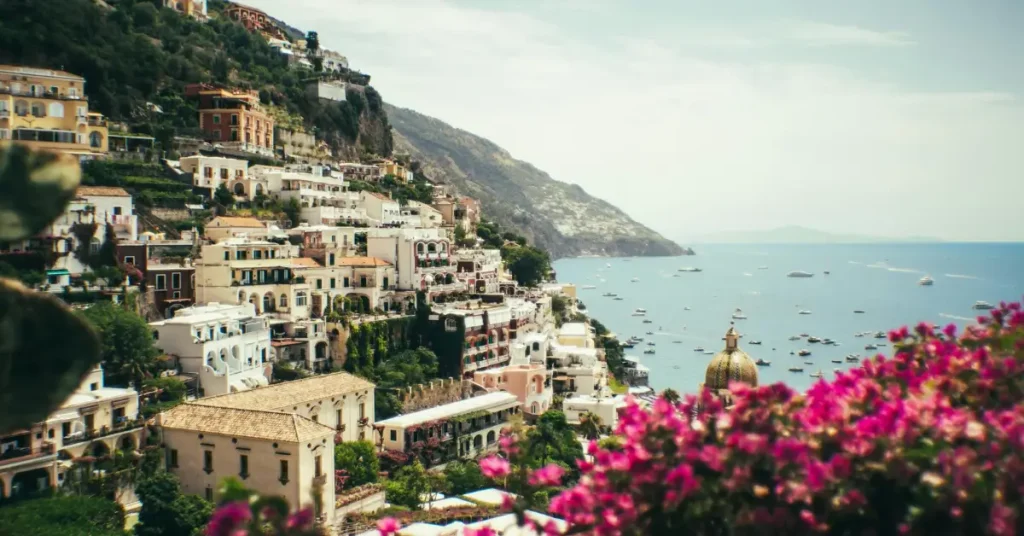
You can, but it needs to replace part of this route rather than sit on top of it.
The Amalfi Coast is better with at least a couple of nights and time for local travel. A day trip from Rome can involve many hours on the road, leaving you with a lot of transport and not much coast.
If the coast is a priority, rethink the trip around it. A Rome, Florence, and Amalfi Coast itinerary gives you a different mix of cities and scenery, with fewer northern stops.
Keeping the coast and most of the original cities is possible only with careful cuts, and it will feel busier. Be honest about whether you want another destination or simply like the idea of including it.
Sorrento, Amalfi, and Positano have different transport connections and terrain. Choose your base around how you want to get around, how much climbing you’re comfortable with, and the pace you want. Sorrento can be useful for connections, while Amalfi and Positano offer different coastal stays.
Pompeii can fit into a southern itinerary too, provided you give the visit and transfers enough time. It shouldn’t be a rushed extra wedged into an already full day.
How to Keep the Trip Manageable
To keep your Italy travel itinerary manageable, start with your dates, flights, overnight stops, and main train journeys. Once those fit together, add the attractions you most want to visit.
Keep bookings organized by city and save copies offline. It’s much easier than searching your inbox for a confirmation while standing at an entrance with patchy mobile data.
For your budget, pay attention to accommodation, travel dates, transport, meals, and paid attractions. Decide where you’d enjoy spending a little more and where a simpler option would make you just as happy.
Avoid committing to nonrefundable hotels or activities while your flights and dates are still uncertain. Flexibility is useful until the main parts of the trip are settled.
Most of all, count travel as part of the day. Packing, station transfers, and checking in are real activities, even if they don’t make the holiday photo album.
Common First-Trip Mistakes to Avoid
The biggest mistake is trying to squeeze every famous Italian destination into the same 10 days. Four cities already give you plenty to do.
A few other things can make a good itinerary feel harder than it needs to:
- Booking the Colosseum and Vatican as two major visits on the same day.
- Filling your arrival day before you know how tired you’ll be.
- Ignoring station transfers and luggage time.
- Choosing accommodation by price without checking its location.
- Forgetting to check opening days and entry arrangements.
- Leaving no space for delays, breaks, or a place you unexpectedly love.
In busy stations and tourist areas, keep an eye on your belongings. If you’re confused about a train or platform, ask official staff for help.
And remember: a day trip that looks close on a map may still involve several connections. Check the whole journey before deciding it’s an easy extra.
Make the Trip Feel Like Yours
The best version of this Italy travel itinerary is the one that fits what you actually enjoy. Keep the art museums if you love them. Add a food-focused afternoon if that sounds better. Skip Verona if another hotel change feels like a chore.
Choose your dates, compare flights into Rome and out of Venice, and book the sights that matter most. Then leave some room around those plans.
You want to come home remembering a place, a meal, or a moment—not just how quickly you managed to get to the next station.
Frequently Asked Questions
Is 10 days enough for a first trip to Italy?
Yes, if you focus on a few places. Three or four overnight bases give you a good first taste without changing hotels every day. Save the rest for another trip rather than trying to fit the whole country into this one.
How many days should I spend in Rome?
Three days is a useful starting point: one for the historic center, one for ancient Rome, and one for Vatican City. Keep the arrival day flexible, especially after a long flight.
Can I visit the Amalfi Coast as a day trip from Rome?
It’s possible, but the travel can take up much of the day. If the coast is important to you, give it a proper overnight stay and remove another stop from the itinerary.
Do I need a rental car?
Not for Rome, Florence, Verona, and Venice. Trains connect the cities, and a car adds parking and driving logistics. It may be useful for a separate countryside trip, depending on where you want to go.
When should I book Vatican Museums tickets?
Check the official ticket calendar early, as soon as your dates are settled. Booking windows and availability can change. Remember that the Sistine Chapel is included in the museum visit, and leave enough time to enjoy both.
Is Florence worth visiting if I don’t like art museums?
Absolutely, if you enjoy architecture, food, markets, and exploring on foot. The Duomo area, Ponte Vecchio, and the historic streets give you plenty to enjoy without spending your whole stay in galleries. If those don’t appeal either, choose a stop that better fits your interests.